

Toxic plants pose a significant threat to the health and wellbeing of our feline friends.
Whether you’re a seasoned cat owner or a newcomer to the world of cat parenthood, it’s essential to be aware of the plants that can harm your cat.
Cats are naturally curious creatures, and their instinct to explore and investigate their surroundings can sometimes lead them to ingest toxic substances.
While most cats are wary of eating anything unusual, they may still ingest toxic plants if they’re not careful. So, how do you keep your cat safe? Well, fear not because we’ve came up with a list of the most toxic plants to cats that you should avoid!
Source: Pexels
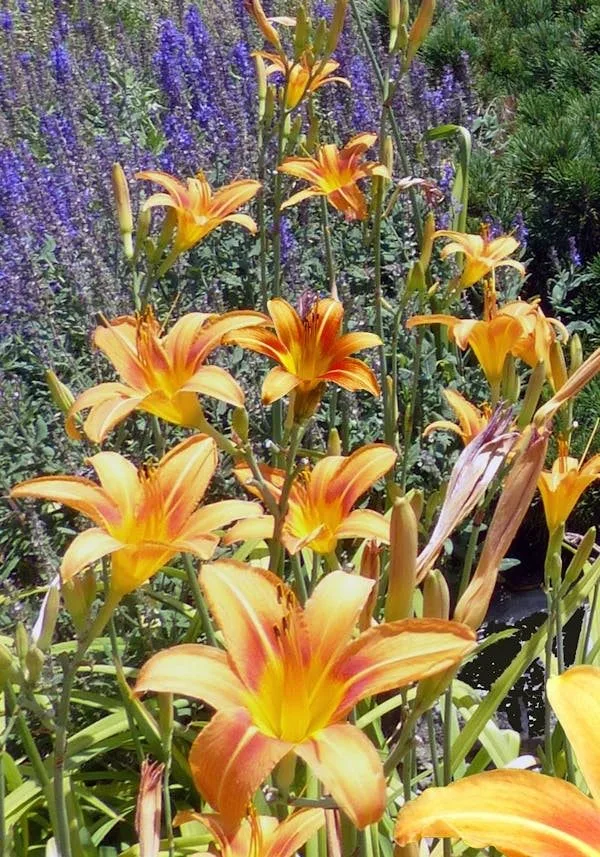
Lilies are perhaps the most toxic plants for cats, with all parts of the plant containing a toxic compound called lycorine. If ingested, lycorine can cause severe kidney damage and even death.
However, lilies aren’t the only toxic plants that can harm your cat. Other common culprits include daffodils, tulips, and azaleas. It’s essential to keep these plants out of reach of your cat, especially if you have a curious or nibbling cat.
While it’s difficult to protect your cat from all toxic plants, being aware of the risks is the first step in keeping them safe.
If you suspect your cat has ingested a toxic plant, it’s crucial to act fast and seek veterinary attention immediately.
Delaying treatment can lead to severe consequences, including organ damage and even death. Keep in mind that prevention is key, and removing toxic plants from your home and garden can help reduce the risk of poisoning.
Source: Pexels
Many houseplants are toxic to cats, including popular varieties like ficus, cheese plants, and aloe vera. Seasonal plants like mistletoe and poinsettia should also be avoided, as they contain toxic compounds that can harm your cat.
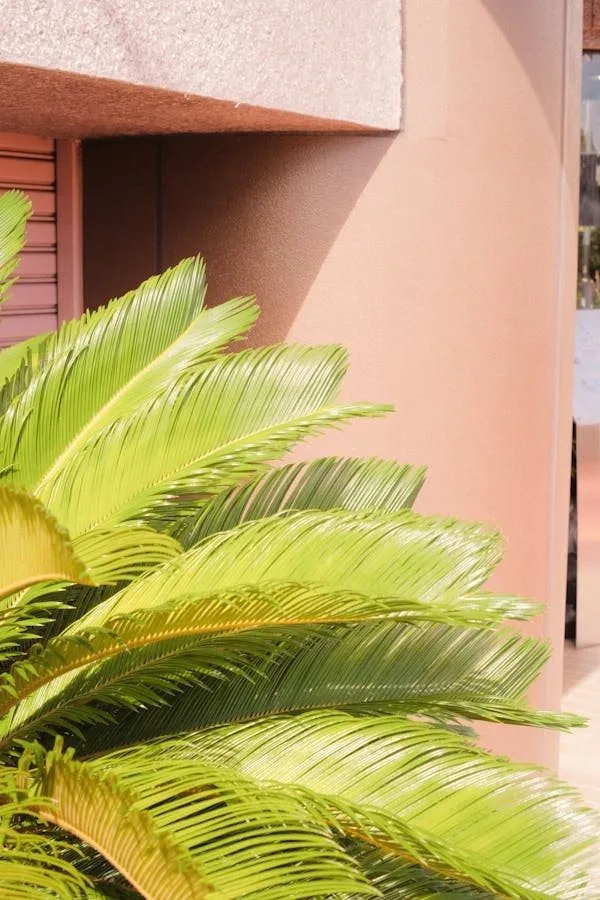
Cycads are particularly lethal, so it’s best to avoid them altogether. However, there are plenty of cat-friendly houseplants available, such as basil, coriander, and valerian root.
If you’re looking to add some greenery to your home, consider opting for cat-friendly options.
Not only will you be keeping your cat safe, but you’ll also be creating a beautiful and healthy indoor environment. Remember to always double-check the toxicity of any plant before bringing it into your home.
Flowers can add a touch of elegance and beauty to any room, but some varieties can be hazardous to your cat’s health. Peonies, daffodils, and tulips are just a few examples of toxic flowers that should be avoided.
However, there are plenty of cat-friendly flower options available, including freesias, roses, and snapdragons. When creating a bouquet or arrangement, be sure to choose flowers that are safe for your feline friend.
If you’re an avid gardener or cook, you may be wondering which herbs are safe for your cat.
Fortunately, many popular herbs are non-toxic to cats, including basil, coriander, thyme, and valerian root.
Ragwort, on the other hand, is particularly toxic due to its alkaloid content and volatile oil containing thujone. Keep in mind that even non-toxic herbs can cause upset stomach if ingested in large quantities.
Source: Pexels
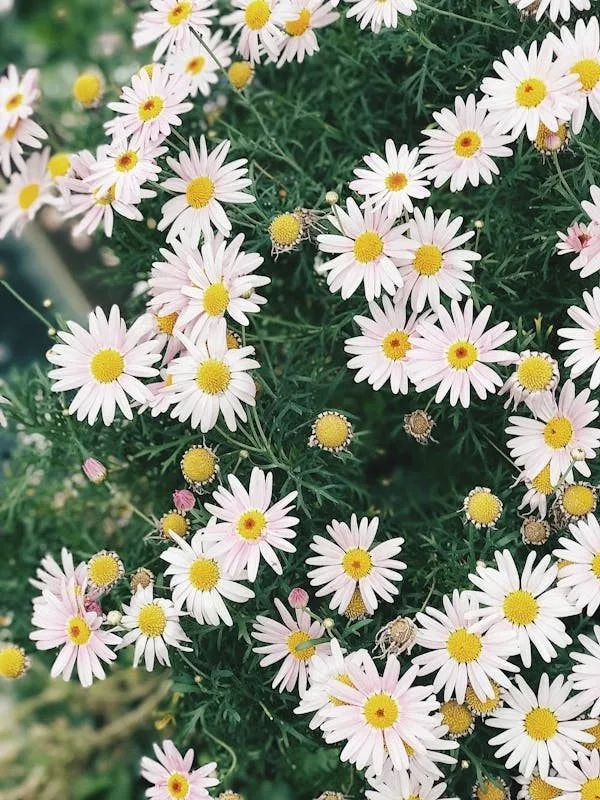
While it’s harder to control what your cat ingests outdoors, you can still take steps to create a cat-friendly garden. Begin by removing toxic plants like daffodils, tulips, and lilies.
Instead, opt for non-toxic plants like grass, clover, and daisy.
Remember to keep an eye on your cat when they’re exploring the outdoors, and be prepared to intervene if they show any signs of poisoning.
Source: Pexels
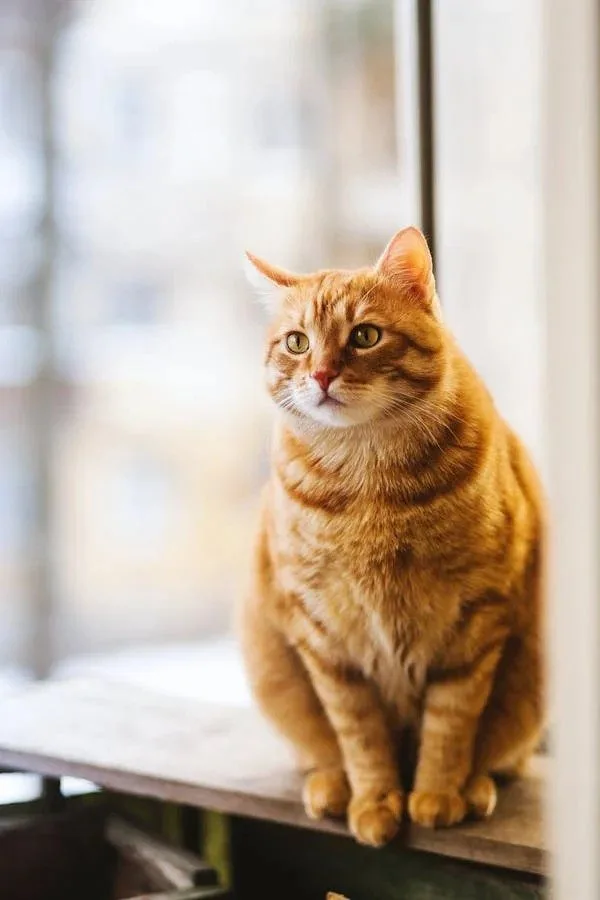
If you suspect your cat has ingested a toxic plant, it’s essential to act fast. Common signs of poisoning include vomiting, diarrhea, lethargy, and loss of appetite.
Keep in mind that these symptoms can vary depending on the type of plant ingested and the severity of the poisoning. If you notice any of these symptoms, seek veterinary attention immediately.
In addition to hazardous plants, there are many other items around the house that can cause poisoning in cats.
If you can see the poisonous substance, take your cat away from it and call your vet for advice. They may want to see your cat immediately.
Don’t try to make your cat sick, as this can do more harm than good. Instead, focus on providing evidence of what your cat has eaten, such as a sample of vomit or the plant itself.
As a responsible cat owner, it’s your duty to keep your feline friend safe from harm. By being aware of the toxic plants that can harm your cat, you can take steps to prevent poisoning and ensure your cat lives a happy, healthy life.
Remember, prevention is key, and a little knowledge can go a long way in keeping your cat safe.
Related To Plants:
Where To Buy Begonia Maculata In Singapore – Chye Heng Orchid Garden
Best Flowers For Every Occasion In Singapore – Chye Heng Orchid Garden